The Ultimate Guide to Enhancing Your Android Gaming Experience with Accessories and Optimization Techniques
In an era where mobile gaming has surpassed console and PC gaming in popularity, Android devices have become the go-to platform for gamers worldwide. With millions of titles available on Google Play Store and the ever-increasing power of modern smartphones, Android gaming is evolving rapidly.
This comprehensive guide will explore everything from hardware accessories that can elevate your gameplay experience to software optimizations that ensure smooth performance. Whether you’re a casual player or a competitive gamer looking for an edge, there’s something here for everyone.
Understanding the Evolution of Mobile Game Controllers
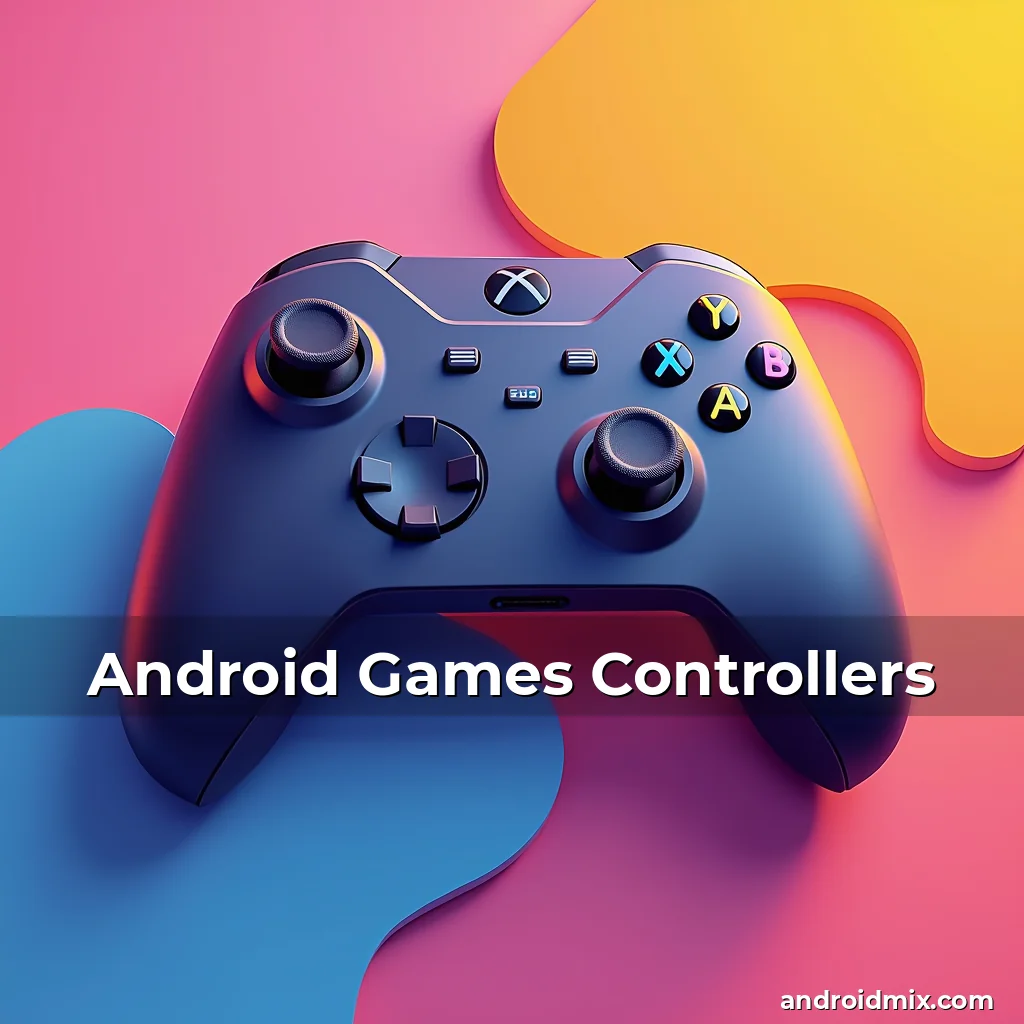
The landscape of Android game controllers has transformed dramatically over recent years. What was once limited to basic touchscreens and virtual buttons now includes a wide array of specialized input devices designed specifically for mobile gaming.
Early Android phones relied solely on capacitive touchscreen inputs which proved inadequate for complex action games requiring precise controls. Today, manufacturers offer Bluetooth-enabled physical controllers that provide tactile feedback similar to traditional consoles.
- Wireless connectivity: Modern controllers use Bluetooth 5.0 or higher for stable connections without lag issues during intense gameplay sessions
- Ergonomic design: Many high-end models feature contoured grips and adjustable triggers tailored for different hand sizes and play styles
Top Android Game Controller Recommendations for Different Budgets
Gaming enthusiasts today have access to a diverse range of controller options spanning various price points. From budget-friendly alternatives to premium products featuring advanced features, there’s something suitable for every type of gamer.
Budget-conscious players might consider entry-level controllers starting at around $29. These often come with basic functionality but lack some of the advanced features found in pricier models. Mid-range options typically fall between $69-$149 offering improved ergonomics and additional button layouts.
High-End Options for Serious Gamers
Premium Android controllers start from approximately $199 upwards, catering to serious gamers seeking professional-grade equipment. These devices often include features such as programmable buttons, haptic feedback systems, and compatibility across multiple platforms including PC and console.
Some top-tier models also incorporate RGB lighting effects and customizable profiles through companion apps. This level of customization allows players to tailor their control schemes precisely according to individual preferences.
How to Choose the Right Controller Based on Your Gaming Preferences
Selecting the ideal Android game controller requires careful consideration of personal gaming habits and preferred genres. Action-oriented gamers may prioritize responsive triggers while puzzle players could benefit from extra directional buttons.
Players who frequently switch between handheld and home console experiences might want controllers compatible with both Android devices and popular gaming consoles like PlayStation or Xbox. Cross-platform compatibility ensures seamless transitions between different gaming environments.
Those who enjoy multiplayer gaming sessions would do well to look for controllers supporting dual-player configurations. Some models even allow pairing two units together via dedicated connectors enabling cooperative or competitive matches on supported titles.
Optimizing Performance Settings for Better Gameplay
To maximize enjoyment from any Android game, optimizing device settings plays a crucial role. Adjustments related to display resolution, frame rate limits, and background processes significantly impact overall performance.
Maintaining sufficient RAM availability by closing unused applications helps prevent stuttering during gameplay. Additionally, ensuring adequate storage space prevents potential crashes caused by insufficient memory allocation.
For enhanced visuals, adjusting gamma settings within game-specific menus can make colors appear more vibrant. However, excessive brightness adjustments might drain battery life faster so moderation is key.
Leveraging External Devices for Enhanced Functionality
Beyond standard controllers, several external peripherals can enhance the Android gaming experience further. Wireless charging stations, cooling pads, and high-quality headsets contribute significantly towards creating optimal gaming conditions.
Cooling solutions become essential when playing graphically intensive games for extended periods. Overheating can cause automatic shutdowns or reduced processing speeds affecting game stability. Investing in effective thermal management tools proves beneficial for prolonged gaming sessions.
Auditory immersion greatly enhances engagement levels; therefore selecting headphones with good bass response and clear audio separation improves overall enjoyment substantially especially during cinematic cutscenes or battle sequences.
Exploring Exclusive Titles Designed Specifically for Android Platforms
While many AAA studios port console exclusives onto Android platforms, numerous developers create original experiences exclusively for mobile devices. These titles leverage unique features inherent only to Android OS such as multi-touch capabilities and motion sensors.
Games like Asura’s Wrath demonstrate how powerful Android hardware can deliver console-like graphics quality comparable to high-end PCs running equivalent titles. The inclusion of touch-based combat mechanics provides distinct advantages not easily replicable on other platforms.
Title designers often implement adaptive difficulty algorithms based on user behavior patterns making each session feel personalized rather than formulaic repetition. This approach keeps players engaged longer by continuously challenging them appropriately according to skill progression rates.
Tips for Maintaining Longevity of Android Gaming Hardware
Proper maintenance routines extend lifespan expectancy considerably reducing replacement frequency costs associated with frequent upgrades. Regular cleaning procedures help remove dust accumulation inside vents potentially causing overheating problems over time.
Using manufacturer-recommended screen protectors preserves display integrity preventing scratches from everyday usage scenarios. Avoid exposing devices directly under direct sunlight sources since UV radiation degrades materials quicker than normal ambient light exposure does.
Periodic firmware updates ensure continued support longevity keeping security patches current against emerging threats targeting mobile ecosystems regularly updated throughout development cycles.
Future Trends Shaping the Next Generation of Android Gaming Experiences
Advancements in cloud computing technologies are poised to revolutionize future Android gaming landscapes completely transforming distribution methods traditionally reliant upon local installations stored internally within devices themselves.
With increasingly powerful GPUs integrated directly into next-generation SoCs (System-on-Chip), expectations regarding graphical fidelity continue rising exponentially pushing boundaries previously thought impossible achievable only through desktop-class machines before now.
Augmented reality integrations combined with improved ARCore implementations promise new dimensions never before experienced entirely within smartphone form factors yet still maintaining full interactivity characteristics required successful implementation regardless platform differences encountered globally.
Conclusion
As demonstrated throughout this extensive exploration, enhancing one’s Android gaming journey involves considering multiple facets ranging from peripheral choices right down individual device optimization techniques.
By combining appropriate hardware selections alongside strategic performance tuning efforts, gamers unlock unprecedented levels of immersive entertainment possibilities never before attainable outside conventional console environments entirely confined within portable formats capable matching stationary counterparts closely enough nowadays.